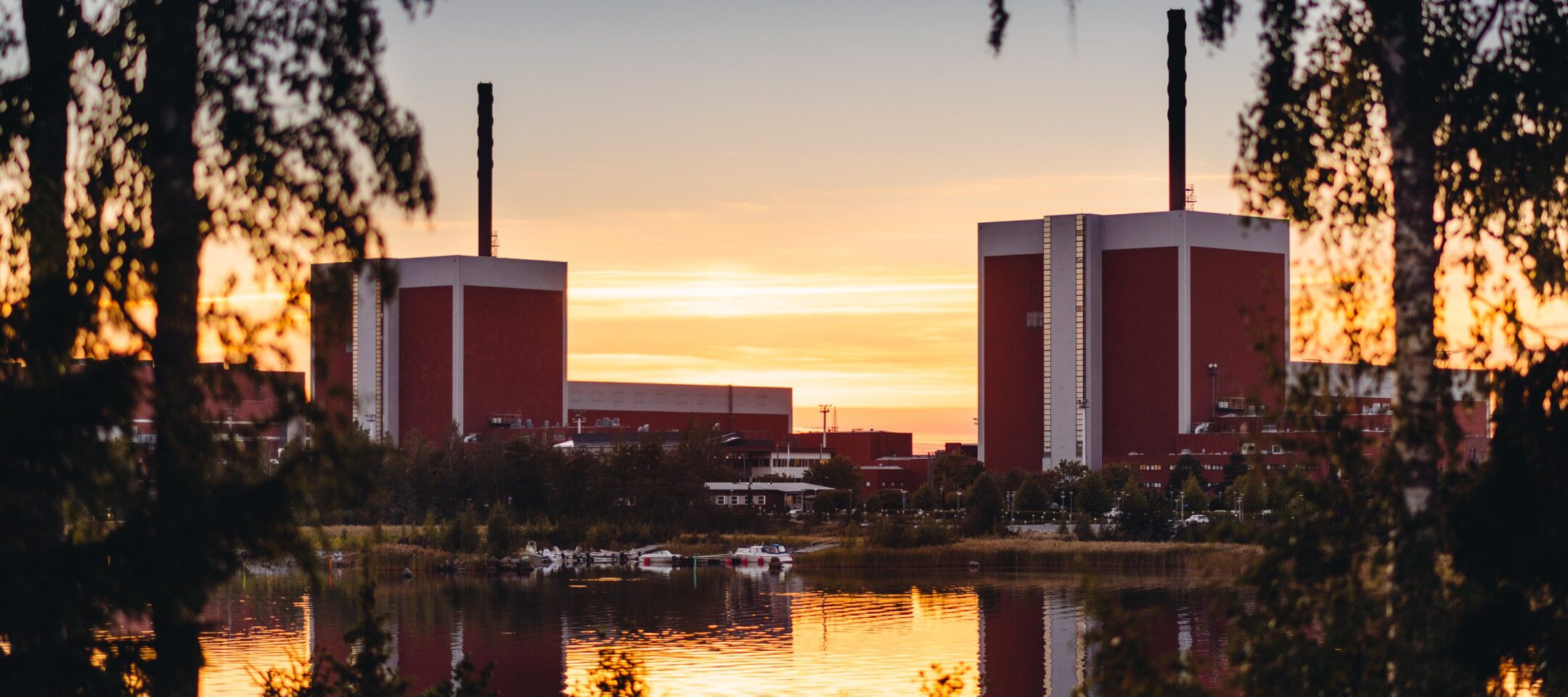
Nuclear power as a form of electricity generation
Nuclear power is a reliable source of energy, and its electricity generation process does not produce carbon dioxide emissions. It is needed alongside renewable energy sources to ensure a consistent supply of emission-free electricity for all Finns in the future.
Nuclear power in Finland
Nuclear power plays a significant role in Finland’s efforts to meet its emissions targets. Without nuclear power, phasing out fossil fuels on time would be difficult, or even impossible.
As renewable and weather-dependent energy production forms become more common, nuclear power is also needed in the mix of emission-free energy to provide reliable and steady energy production. This ensures the operational reliability of the energy system in the future, when fossil fuels are no longer used.
Order electricity produced by methods that do not cause C02-emissions in the generation process
What is nuclear power?
- Nuclear power is based on the fission of uranium atoms.
- Fission occurs when a neutron collides with the nucleus of a uranium atom in a nuclear reactor. The splitting of the uranium atom releases new neutrons, which continue to split other uranium atoms in a controlled chain reaction.
- Each time a uranium atom divides, an immense amount of energy is released.
- This released energy is used to heat and vaporize water. A nuclear power plant is essentially a giant kettle.
- The steam drives a turbine, which in turn drives a generator that produces electricity.
Nuclear power in Finland
Nuclear power plays a significant role in Finland’s electricity production and energy self-sufficiency. In 2025, nuclear power accounted for 40% of the country’s total electricity production.
Finland operates five nuclear reactors, two at the Loviisa power plant and three at the Olkiluoto power plant in Eurajoki.
Vaasan Sähkö and nuclear power
We produce energy not only through wind and hydro power but also through biomass and nuclear power. We own production shares in all three reactors at the Olkiluoto power plant. The nuclear electricity we sell is always certified with a guarantee of origin.
Nuclear power and electricity prices
The market price of electricity is based on forecasts of how much supply and demand for electricity there will be during each hour of the next day.
If the forecast predicts limited supply and high demand, electricity prices can rise significantly on the electricity exchange.
Nuclear power helps keep price spikes in check, as it ensures a certain amount of electricity is always available, whereas the availability of wind and solar power fluctuates with the weather.
Electricity price spikes affect not only those with a spot electricity contract. Over time, the general price level impacts all electricity contracts.
Nuclear power safety
Nuclear power safety is strictly regulated worldwide. In Finland, the Radiation and Nuclear Safety Authority (STUK) oversees the industry.
Historical nuclear accidents have been thoroughly investigated, and the safety of power plants has been improved based on research findings. Additionally, the operation of nuclear power plants is continuously monitored, and even small deviations are closely examined.
Main image: TVO
Advantages of
nuclear power
- No greenhouse gas emissions during production.
- Long lifespan: for example, Olkiluoto 3 will produce electricity for at least the next 60 years.
- A cost-effective way to produce electricity.
- Electricity production is steady, reliable, and predictable.
- Regulation ensures safety.


Disadvantages of
nuclear power
- The uranium fuel required for nuclear power is extracted from uranium ore, which is a non-renewable resource. Uranium mining and enrichment have environmental impacts.
- Investments are enormous, and construction takes several years.
- Nuclear accidents carry high-risk consequences.
- The resulting radioactive waste must be stored and isolated from the environment for an extremely long time.