
Coal power as an electricity generation method
Coal power is a traditional yet controversial method of electricity generation. It is efficient and flexible as a production method but is also a significant source of emissions.
The role of coal power is decreasing
Coal power is still used, particularly during peak electricity demand when other energy sources cannot meet the power system’s needs. However, the role of coal power has decreased as renewable energy sources have replaced it.
What is coal power?
- Coal power is a method of electricity and heat generation where coal is burned to produce energy.
- The process generates large amounts of electricity, and its output can be adjusted flexibly.
- Coal is burned in a boiler, producing high-pressure steam.
- The steam spins a turbine, which then drives the plant’s generator, producing electricity.
Coal power is used for energy generation during peak consumption periods when other energy sources cannot cover the demand. This is also known as peak load production.
Advantages of coal power
- Flexibility: The output of coal power plants can be adjusted flexibly to meet the power demand.
- Efficiency: Coal power can produce large amounts of electricity in a short period, which is essential in situations where other energy sources cannot meet electricity consumption.
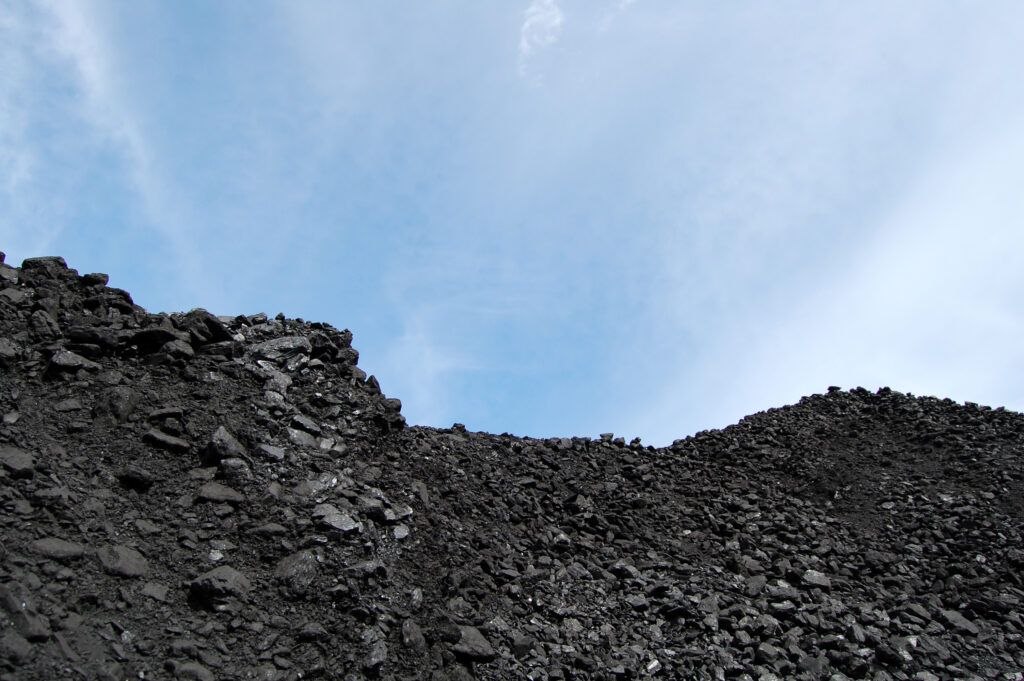
- Fuel: Coal is a good fuel for transportation and storage, as it can be safely stored outdoors without special arrangements. Additionally, coal remains usable for extended periods.
Disadvantages of
coal power
- Emissions: During production, coal power plants emit large amounts of carbon dioxide and other pollutants, such as sulfur and nitrogen oxides, which degrade air quality and accelerate climate change.
- Environmental & social impacts: The extraction and transportation of coal consume significant natural resources and cause environmental damage. Also the health and safety issues of miners is an extensive problem.
- Maintenance costs: The maintenance costs of coal power plants are relatively high compared to other forms of production.
role of coal power
Coal power in Finland
The role of coal power in Finland is decreasing, but it is still used, particularly in peak load production. In 2025, coal power accounted for around 0,1% of Finland’s district heating production, and almost 0% of the electricity production. Its importance is highest during the cold winter months when energy consumption is at its peak, as well as in situations where other power plants are shut down because of technical issues. In recent years, several coal power plants have been shut down in Finland.
The use of coal in energy production will end in Finland by 2029 at the latest.
Coal power’s role globally
Many countries and companies are working to reduce the use of coal power to achieve climate goals. Globally there are significant regional differences in coal power demand.
In the future, efforts will be made to reduce the use of coal power by investing in cleaner energy sources. However, coal power will continue to play a role in maintaining the stability of electricity systems until renewable energy sources can fully replace it.
Cogeneration – what does it mean?
Cogeneration, or CHP (combined heat and power) allows the most efficient use of the fuel’s energy content. In these plants, the energy from the fuel that is not converted into electricity is captured as heat.
Vaasan Voima’s Vaskiluoto power plant in Vaasa is an example of a cogeneration plant that has been developed over the years to meet modern needs. The plant is equipped with a biomass gasification unit, which has allowed the share of coal to be replaced by biomass.
Coal power safety and environmental impacts
The safety of coal power plants is high, even though their environmental and health impacts are significant. Various cleaning technologies are used to manage the environmental impacts of coal power plants, but emissions are still considerable.